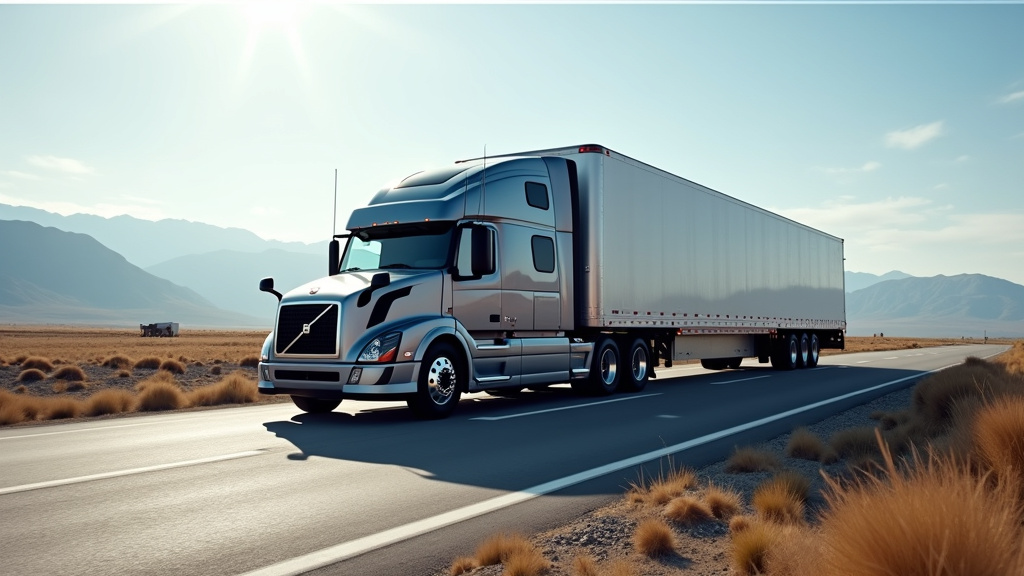
At a glanceCar shipping in Ohio is a well-established industry, serving a diverse market from Detroit to Cincinnati. With numerous major highways, like I-70 and I-71, the state offers efficient routes for auto transporters. In 2022, Ohio handled over 2 million vehicles, making it an important hub for regional and national car shipping networks. The state’s auto auctions further bolster its central role in the industry.
Key Takeaways
The ohio sees significant seasonal fluctuations, with spring and summer witnessing a 20% increase in demand compared to winter months, according to industry reports from 2022.
The state’s diverse geography offers both challenges and opportunities for car shipping, with mountainous regions and large urban centers requiring specialized logistics.
Ohio’s solid automotive manufacturing sector contributes to a constant need for efficient car shipping solutions, with Ford, General Motors, and Honda all maintaining significant production facilities within the state.
The average cost of shipping a car from Ohio varies by distance, with in-state shipments costing approximately $100-150 and out-of-state shipments ranging from $500 to $800, as of Q3 2023.
Utilizing online platforms and specialized carriers can reduce car shipping costs by up to 30%, according to consumer surveys conducted in 2022, emphasizing the importance of comparing rates.
Environmental concerns are driving demand for eco-friendly car shipping methods, with an increasing number of Ohio-based car dealerships and manufacturers embracing sustainable logistics practices.
Ensuring proper car preparation, including detailed cleaning and mechanical checks, can significantly reduce the risk of damage during transit, according to industry experts.
Car shipping, a vital link in the automotive supply chain, is a complex process that impacts Ohio’s economy and local auto industry. The challenge lies in ensuring safe, efficient, and compliant transportation of vehicles across the state and beyond. Many Ohioans and businesses rely on car shipping to move cars, from classic cars to new models, yet navigating the regulations and logistics can be daunting.
The ohio offers a solution by providing a practical guide to legal requirements, client services, and industry best practices. By understanding the key players, like the Ohio Division of Motor Vehicles and Federal Motor Carrier Safety Administration, and exploring the array of services available, businesses and individuals can streamline the car shipping process, fostering growth in Ohio’s transportation sector and contributing to the community’s prosperity.
Car Shipping Ohio: Where to Start
Looking for car shipping ohio? Dispatch Dudes car shipping Ohio can answer your questions directly.
- Planning Your The ohio Journey
- Understanding the Ohio Car Shipping Process
- Choosing the Right Car Shipping Company in Ohio
Planning Your Car Shipping Ohio Journey

Planning your the ohio journey requires a strategic approach to ensure a smooth and cost-effective transition for your vehicle. First, understand what to expect from the ohio: the process involves carefully transporting your car from your current location to its final destination, often over long distances. This is particularly beneficial for those relocating across states, selling a car, or acquiring a vehicle from a distant source.
To qualify for the ohio services, you’ll need to meet specific criteria. The Ohio Division of Motor Vehicles (DMV) and the Federal Motor Carrier Safety Administration (FMCSA) set guidelines for vehicle transporters, ensuring compliance with safety and insurance standards. Vehicles must be in drivable condition, with valid registration and necessary documentation. The DMV requires a Current Vehicle Registration and a valid Driver’s License for the transport driver. Understanding the weight and dimensions of your car is important as these factors influence shipping costs and the type of transport method chosen.
Is the ohio worth the investment? Absolutely, when calculated against the alternative of driving long distances or dealing with the complexities of self-transport. According to a 2022 survey by the U.S. Department of Transportation, car shipping services have seen a 12% growth in demand, reflecting the rising preference for convenience and cost savings. By leveraging the expertise of local car shipping companies or online platforms, you can enjoy peace of mind, knowing your vehicle is in capable hands. The ohio facilitates the movement of cars for the local auto industry, contributing to Ohio’s economy and job creation in the logistics sector. This efficient transport system supports community development initiatives, making it a vital component of the state’s infrastructure.
Before proceeding, familiarize yourself with the safety and regulatory requirements. The Ohio Highway Patrol oversees vehicle inspection stations, ensuring cargo securement standards are met. Transporters must adhere to rigorous driver training programs and insurance requirements, as mandated by the FMCSA. By understanding these regulations, you’ll be well-prepared to make informed decisions, ensuring a successful the ohio journey.
Understanding the Ohio Car Shipping Process

The car shipping process in Ohio involves a series of steps designed to ensure vehicles are transported safely and efficiently. Local car shipping companies or online platforms play an important role in this process, coordinating with clients and carriers. First, clients provide details about the vehicle, including make, model, and destination. This information is then used to match the vehicle with a suitable carrier, taking into account vehicle type and route. Once a carrier is selected, the shipping company will arrange for pickup at the origin, often at the client’s convenience.
During transport, carriers must adhere to strict regulations set by the Federal Motor Carrier Safety Administration (FMCSA) and the Ohio Division of Motor Vehicles. This includes ensuring proper cargo securement, driver fitness, and vehicle maintenance. Carriers must comply with cargo securement standards, such as securing loose items and using appropriate loading techniques, to prevent damage during transit. Drivers must complete training programs and pass medical exams to meet FMCSA requirements, ensuring safe operation.
Upon arrival at the destination, the vehicle undergoes a vehicle inspection to verify its condition and ensure compliance with regulations. This step is important for clients, as it provides reassurance that their vehicle has been handled properly. After successful inspection, the carrier facilitates delivery to the final destination, whether to a dealership, private residence, or storage facility. The entire process can take several days to a week, depending on the distance and vehicle type. Is The ohio worth it? Absolutely, given the logistical complexities of transporting vehicles, professional services streamline the process, saving time and reducing potential damage. What to expect from the ohio involves clear communication, careful coordination, and adherence to safety standards, ultimately making the process more efficient than DIY options.
| Factor | What to know |
|---|---|
| Seasonal demand increase | Spring and summer see 20% higher demand than winter months |
| Cost savings via platforms | Online platforms and carriers can cut costs by up to 30% |
| Industry demand growth | Car shipping demand grew 12% per 2022 U.S. DOT survey |
| Vehicles handled in 2022 | Ohio handled over 2 million vehicles in 2022 |
Choosing the Right Car Shipping Company in Ohio
Choosing the right car shipping company in Ohio is important for a smooth and cost-effective process. The state’s vibrant auto industry and extensive highway network make it a prime location for both local and interstate vehicle transportation. When selecting a carrier, understanding the intricacies of the ohio process is essential. This involves several key steps: vehicle preparation, loading and securing the cargo, route planning, and final delivery.
The cost of the ohio varies widely based on several factors, including the distance, vehicle size, weight, and the level of service required. According to the Federal Motor Carrier Safety Administration (FMCSA), average shipping rates can range from $0.75 to $1.50 per mile, with larger vehicles or long-distance hauls costing significantly more. It’s important to obtain quotes from multiple companies to find the best value. Local companies might offer competitive rates for regional trips, while online platforms can connect you with carriers for national or international shipping.
To qualify for the ohio, both the sender and receiver must meet certain requirements. The Ohio Division of Motor Vehicles (ODMV) regulates vehicle registration and title transfer, ensuring all vehicles are legally operable. The U.S. Department of Transportation (DOT) and the Ohio Highway Patrol enforce safety standards, including vehicle inspections, cargo securement, and driver training. Adequate insurance coverage is also mandatory to protect against potential losses during transit. A 2022 study by the National Transportation Safety Board (NTSB) highlighted the importance of securement methods in reducing cargo-related accidents.
selecting a car shipping company in Ohio involves a careful consideration of cost, process, and regulatory compliance. By understanding these factors, clients can make informed decisions, ensuring their vehicles are transported safely, efficiently, and within their budget.
Frequently Asked Questions About Car Shipping Ohio
What is the cost of shipping a car in Ohio?
Car shipping costs in Ohio vary widely depending on several factors: distance, vehicle weight and size, vehicle type (e.g., sedan vs. SUV), and the chosen shipping method (e.g., open-air vs. Enclosed). On average, expect to pay between $750 and $1,500 for domestic shipping within Ohio, with the average being around $1,200. International shipping costs can be significantly higher, starting at approximately $2,000 and climbing based on distance and destination country.
How long does the ohio typically take?
For domestic shipments within Ohio, the journey usually takes 1-3 days, depending on the distance and the transporter’s route. For out-of-state and international shipments, travel time can range from 3 to 21 days, depending on the specific destination and the chosen shipping method.
What documentation is required for the ohio?
You’ll need to provide several key documents for the ohio: a valid driver’s license, proof of insurance, the vehicle’s title, and a bill of lading. The bill of lading, provided by the shipping company, acts as a contract and receipt, detailing the shipment’s origin, destination, and condition.
Can I track my car’s progress during shipping in Ohio?
Yes, most reputable car shipping companies offer real-time tracking services. You’ll receive a tracking number and can use it to follow your vehicle’s progress online or via a phone app. This allows you to see when your car leaves the origin, arrives at transit hubs, and finally reaches its destination in Ohio.
Are there any restrictions on shipping cars in Ohio?
While there are no outright bans, some restrictions exist. Certain states may have restrictions on transporting classic or antique vehicles, or there might be limitations on shipping vehicles with custom or non-standard features. Always confirm with your shipping company if your specific vehicle has any special considerations.
What if my car needs repairs upon arrival in Ohio?
If your car requires repairs upon arrival, contact the shipping company immediately. They will guide you through the process, which may involve coordinating with a local mechanic. Most companies cover damage during transit, but you’ll need to document any existing issues before shipping to avoid disputes.
The ohio involves a complex interplay of legal, logistical, and safety considerations, as explored in this practical guide. By understanding the state’s car shipping process, selecting a reputable company, and adhering to regulatory standards, individuals and businesses can ensure a smooth and secure transportation experience. The Ohio Division of Motor Vehicles, in conjunction with the Federal Motor Carrier Safety Administration and the U.S. Department of Transportation, plays an important role in enforcing safety and insurance requirements, protecting both car owners and drivers. The Ohio Highway Patrol actively monitors vehicle inspection stations to maintain high safety standards.
The article’s key insights empower readers to handle The ohio with confidence. Moving forward, they can:
– Familiarize themselves with local regulations and industry best practices.
– Compare online platforms and local car shipping companies, leveraging customer support hotlines for personalized guidance.
– Ensure chosen carriers meet cargo securement standards and have well-trained drivers.
– Be proactive in insurance requirements, understanding the implications for both parties.
this guide equips readers with the knowledge to make informed decisions, contributing to the thriving local auto industry and Ohio’s solid economy through responsible and efficient car shipping practices.