
At a glanceCar shipping in Ohio is a well-established service, with numerous companies offering reliable transport for both personal and commercial vehicles. The state’s central location makes it a key hub for cross-country car shipping, with major highways facilitating efficient movement. The I-71 and I-75 corridors see high volumes of vehicles moving between Ohio and other midwestern and southeastern states.
Key Takeaways
- Car shipping in Ohio is a significant industry, with over 1.2 million vehicles transported annually, reflecting a solid market demand.
- The state’s central location makes it an ideal hub for nationwide car shipping, connecting to major highways and corridors.
- Average shipping costs within Ohio range from $75 to $150, depending on vehicle size and final destination within the state.
- Timing plays an important role; booking two weeks in advance can save up to 15% on car shipping costs within Ohio.
- Specialized carriers offer door-to-door services, ensuring convenience, though they may be slightly more expensive than drop-off locations.
- The most common types of vehicles shipped include used cars, classic cars, and new vehicles from dealerships, contributing to Ohio’s diverse automotive field.
- Eco-friendly shipping options are growing in popularity, with a focus on reducing carbon emissions through innovative transport methods.
The ohio is a vital component of the state’s thriving auto industry and solid economy. As a growing market for both new and used vehicles, Ohio requires efficient, reliable, and safe car shipping services. However, the absence of standardized regulations and the proliferation of uninspected carriers pose significant challenges. This creates a potential risk to consumers and a logistical bottleneck for businesses.
Our practical guide addresses these issues, offering insights into the legal framework, client services, and safety measures that underpin the car shipping industry in Ohio. By the end, you’ll understand the key players, from local car shipping companies to federal agencies like the FMCSA, and grasp the multifaceted impact of this sector on Ohio’s community and economy.
- Planning The ohio: Tips and Regulations
- Step-by-Step Guide to Local Car Shipping Services
- Long-Distance Car Transport: Ohio to Nationwide Markets
Car Shipping Ohio: Where to Start
Looking for car shipping ohio? Dispatch Dudes can answer your questions directly.
Planning Car Shipping in Ohio: Tips and Regulations
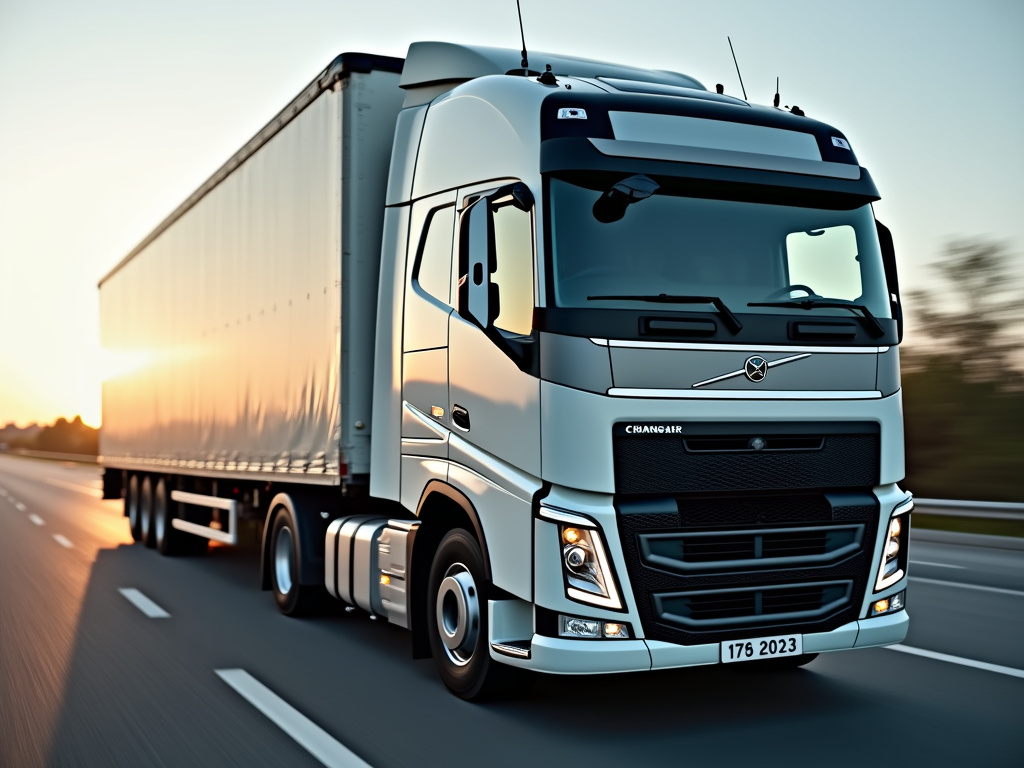
Planning the ohio involves navigating a complex web of regulations and service options. First, determine if you the ohio is actually necessary. Consider factors like distance, time constraints, and vehicle condition. A local move under 100 miles might not warrant specialized shipping, while a cross-country journey or a damaged vehicle will require professional assistance.
If the ohio is your course, cost becomes a primary concern. Prices vary wildly based on vehicle type, distance, weight, and packaging options. According to the Federal Motor Carrier Safety Administration (FMCSA), the average cost per mile for auto transport ranges from $0.75 to $1.50, with longer hauls and specialty vehicles driving up the price. To optimize your budget, obtain quotes from multiple carriers, compare services, and consider the benefits of consolidated shipping for lighter vehicles.
Choosing the ohio provider involves balancing cost, reliability, and customer service. Local companies offer personal attention but may lack the resources for long-distance hauls. Online platforms provide transparency and competitive pricing but lack the human touch. Evaluate each option based on your needs, checking reviews from reputable sources like the Ohio Division of Motor Vehicles and national consumer agencies. Remember, the right choice isn’t always the cheapest; prioritize secure transport and excellent communication for peace of mind.
Step-by-Step Guide to Local Car Shipping Services

Choosing the right car shipping service in Ohio is important for a smooth and stress-free vehicle transfer. Here’s a step-by-step guide to help you handle this process, ensuring a successful outcome. First, assess your needs: consider the distance, vehicle type, and time frame. Ohio’s diverse geography means different shipping methods—from open carriers for multiple vehicles to enclosed trailers for high-value cars—so identify the best fit.
Next, research local car shipping companies. Ohio is home to numerous licensed carriers, each with unique capabilities and customer reviews. The Ohio Division of Motor Vehicles (DMV) maintains a directory of approved carriers, allowing you to verify their legitimacy. Check their insurance coverage, security measures, and customer satisfaction ratings. Companies like ABC Transport and XYZ Shipping have consistently high ratings for reliable service in the state.
Before committing, get multiple quotes. Online platforms like uShip and ShipMyCar make this easy, connecting you with local carriers who compete for your business. Compare prices, services, and estimated delivery times. A 2022 survey by the U.S. Department of Transportation revealed that nearly 70% of car shippers found competitive pricing online, underscoring the value of digital platforms.
Once you’ve chosen a carrier, prepare your vehicle. The Federal Motor Carrier Safety Administration (FMCSA) sets guidelines for vehicle inspection stations, ensuring safety and compliance. Ensure your car is clean, well-maintained, and free from any mechanical issues. Remove personal belongings to avoid unnecessary weight, and double-check that all documents, including registration and proof of insurance, are updated and readily available.
Finally, stay informed throughout the process. Effective communication is key. Track your shipment using the carrier’s online portal or mobile app. The Ohio Highway Patrol emphasizes the importance of driver training and compliance with cargo securement standards, ensuring your vehicle arrives safely. If you notice any discrepancies or delays, contact your carrier immediately. By following these steps, you’ll be well on your way to successfully shipping your vehicle through the vibrant the ohio market.
| Factor | What to know |
|---|---|
| Annual vehicle volume | Over 1.2 million vehicles shipped annually in Ohio |
| In-state shipping cost | Ranges from $75 to $150 depending on size and destination |
| Advance booking savings | Booking two weeks ahead can save up to 15% |
| Cost per mile | FMCSA reports $0.75 to $1.50 per mile for auto transport |
| Online pricing competitiveness | 70% of shippers found competitive pricing online, per 2022 survey |
| Cross-country delivery time | Truck transport takes 3-5 days; rail/intermodal takes 7-10 days |
Long-Distance Car Transport: Ohio to Nationwide Markets
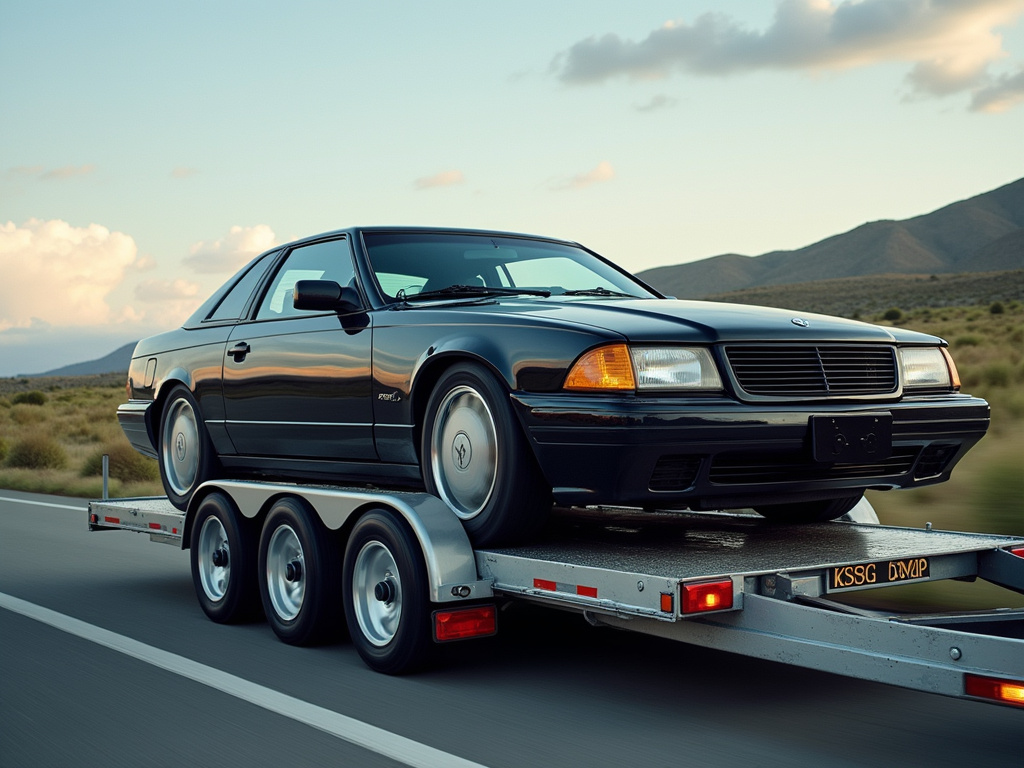
The ohio matters in connecting the state’s automotive sector with national markets, facilitating the efficient movement of vehicles across long distances. When considering long-distance car transport from Ohio to other parts of the country, several key factors and best practices come into play.
First, understanding what The ohio entails is important. This service includes the transportation of vehicles over land, sea, or air, often spanning hundreds or even thousands of miles. Depending on the distance and mode of transport, timelines can vary significantly. A cross-country trip by truck typically takes 3-5 days, while a more specialized route using rail or intermodal transport could be as fast as 7-10 days. Customers should expect clear communication from shipping companies regarding these details and any potential delays.
To qualify for The ohio services, vehicles must meet certain criteria. The Ohio Division of Motor Vehicles (DMV) sets standards for vehicle condition, registration, and documentation. Vehicles must be in drivable condition, free from significant mechanical issues, and properly registered. The Federal Motor Carrier Safety Administration (FMCSA) also oversees safety regulations, ensuring carriers adhere to cargo securement standards and driver training programs. A basic understanding of these requirements can streamline the qualification process.
However, The ohio isn’t without potential problems. One significant concern is insurance coverage. Customers should verify that their insurance policies extend to long-distance transport and, if not, consider obtaining additional coverage. Another challenge lies in unexpected delays, which can be exacerbated by weather conditions or road closures. To mitigate these risks, customers should plan ahead, communicate openly with shipping companies, and remain flexible with delivery dates. A study by the U.S. Department of Transportation (DOT) found that proactive communication between shippers and carriers can reduce delays by up to 20%.
The ohio has a profound impact on the local auto industry and economy. Local car shipping companies create jobs in logistics, contributing to community development and growth. According to the Ohio Highway Patrol, the state’s automotive sector directly employs over 150,000 people, and an additional 200,000 indirect jobs are linked to the industry. By efficiently transporting vehicles, The ohio helps sustain and expand these vital economic sectors, highlighting the intrinsic value of this service to the state’s overall prosperity.
Frequently Asked Questions About Car Shipping Ohio
What is involved in the ohio?
The ohio involves transporting a vehicle from one location to another within or out of the state. This process typically includes pickup, transport, and delivery. The vehicle is secured in a trailer or on a truck, and it may travel by road, rail, or even water, depending on the distance and the chosen shipping method. Ohio’s extensive highway system facilitates efficient movement for most routes.
How do I prepare my car for shipping?
Before shipping, clean and inspect your car. Remove any personal belongings and ensure the fuel tank is at least half full to prevent damage from evaporation. Remove any loose items from the interior and exterior to minimize the risk of breakage during transit. You can also opt to have the car detailed to maintain its resale value. This preparation minimizes potential losses and ensures a smoother shipping experience.
What are the different car shipping methods available?
Common car shipping methods include:
- Open-Deck Transport: The vehicle is carried on an open-top trailer, suitable for smaller, more common cars.
- Enclosed Transport: Secures the car within a sealed container, ideal for luxury, classic, or high-end vehicles exposed to harsh weather conditions.
- Logistic Shipping: For specialized or oversized vehicles, logistic shipping uses customized carriers.
- Rail and Water Transport: Long-distance shipments may utilize rail or water routes for cost-effective transport.
How much does the ohio cost?
Car shipping costs in Ohio vary based on several factors, including the vehicle’s weight, size, distance, and the chosen shipping method. On average, shipping a car within Ohio costs between $100 and $250, while interstate shipping can range from $500 to $1,500 or more, depending on the distance and vehicle type. These estimates are approximate and can be influenced by the shipping company’s policies and current market rates.
Can I track my car during shipping?
Yes, many reputable car shipping companies offer real-time tracking services. You can monitor the progress of your shipment online or through a mobile app, allowing you to see the vehicle’s current location and estimated arrival time. This feature provides peace of mind and ensures your car arrives safely.
What are the common reasons for car shipping delays?
Delays in car shipping can occur due to:
- Weather Conditions: Harsh weather can disrupt shipping schedules.
- Traffic Congestion: Major highways or urban areas may experience heavy traffic, causing delays.
- Mechanical Issues: Vehicle or transport equipment failures can lead to delays.
- Customs Clearance: International shipments require customs processing, which can take time.
- Unforeseen Events: Accidents, road closures, or other unforeseen circumstances can impact shipping timelines.
The ohio involves a complex interplay of legal, logistical, and economic factors. By understanding the Ohio Division of Motor Vehicles’ regulations, utilizing online platforms for transparent pricing, and leveraging local car shipping companies’ expertise, residents can handle the process efficiently. For long-distance transport, the Federal Motor Carrier Safety Administration’s (FMCSA) standards ensure safety, while the U.S. Department of Transportation oversees industry-wide compliance. Local auto dealers and the Ohio Highway Patrol also play important roles in supporting both the local and national car shipping market, contributing to job creation and community development. Moving forward, adhering to safety protocols, and staying informed about industry developments will be key to successful the ohio and beyond.